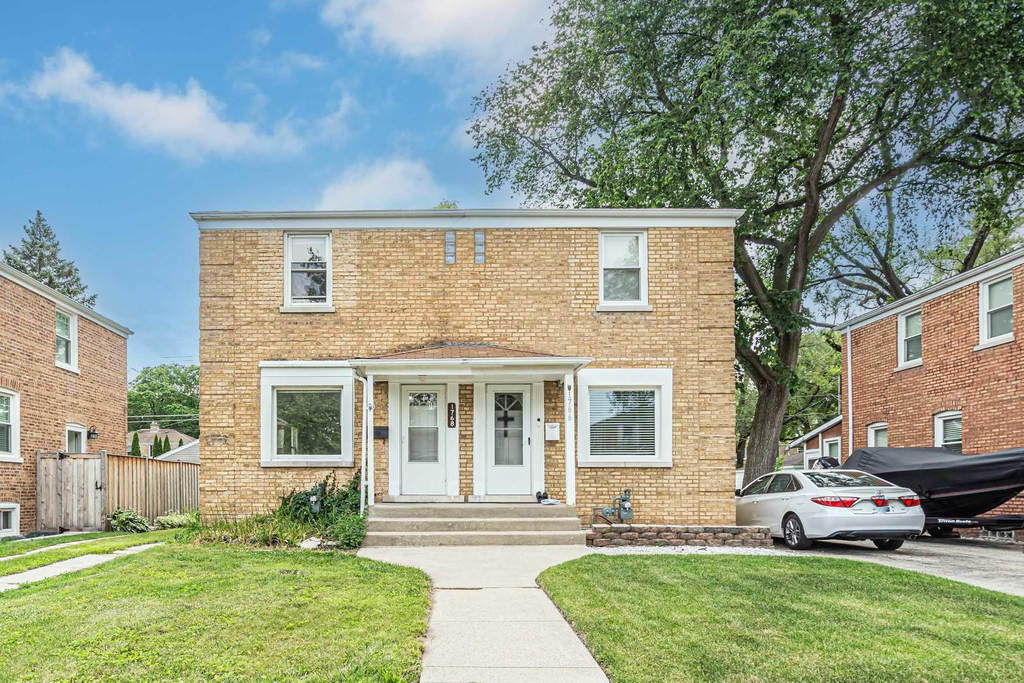
How to Evaluate a Duplex or Small Multifamily Investment
A duplex or small multifamily property can offer investors multiple rental units within one acquisition. Depending on the property and market, this may create opportunities to diversify rental income, manage shared maintenance efficiently, and build a portfolio using a single property purchase.
However, multiple units do not automatically mean lower risk or better returns. A duplex with expensive repairs, weak rents, high taxes, or restrictive local requirements may perform worse than a well-chosen single-family rental.
Before purchasing a duplex or small multifamily property in Northern Illinois, evaluate each unit, the entire building, the operating expenses, and the property’s legal status.
1. Verify the Legal Property Type and Permitted Use
Start by confirming that the property is legally approved for its current use.
Do not assume that a building with two entrances or separate living spaces is legally recognized as a duplex. Some properties may have been altered without permits or may contain units that do not comply with current requirements.
Review available records and confirm with the appropriate municipality:
- The property’s legal classification and approved number of units.
- Zoning and occupancy requirements.
- Required rental registration, licensing, or inspections.
- Permit history and unapproved alterations.
- Fire-safety requirements and applicable building codes.
- Parking and access requirements.
- Any restrictions affecting the intended rental arrangement.
If a unit’s legal status is uncertain, obtain professional advice before making an offer based on rental income from that unit.
2. Analyze Rent by Unit
Evaluate each unit separately before calculating the property’s total potential rent.
Consider the number of bedrooms and bathrooms, condition, layout, parking, laundry facilities, storage, outdoor space, and access to transportation and amenities.
Research comparable rentals that resemble each unit in size, condition, and location. Do not assume that two units in the same building will necessarily command identical rents.
Also determine whether the units are currently occupied. Review leases, payment histories where appropriately available, deposits, expiration dates, utility arrangements, and other relevant documents through the proper transaction process.
Existing tenants may have rights that continue after a sale. Have a qualified professional review the leases and applicable law before assuming that a tenant can be removed or that rents can immediately be changed.
3. Review the Building as a Whole
A multifamily property has shared systems and components that may affect all units.
Inspect the roof, foundation, exterior, drainage, plumbing, electrical service, heating and cooling systems, common areas, fire-safety features, and any shared laundry or utility spaces.
Determine which systems are shared and which are separately metered. A building with separate utility meters may have a different expense profile from one where the owner pays for several utilities.
Review maintenance history and obtain specialist evaluations for significant concerns. Major repairs to a shared roof, sewer line, foundation, or heating system can affect the economics of the entire property.
4. Calculate the Full Operating Expenses
Do not calculate profitability using rental income minus the mortgage alone.
Include:
- Property taxes.
- Landlord insurance.
- Repairs and routine maintenance.
- Capital reserves for major systems.
- Vacancy and tenant turnover.
- Property management.
- Utilities paid by the owner.
- Landscaping, snow removal, and common-area maintenance.
- Accounting, legal, and compliance expenses.
- Association fees, where applicable.
Consider how expenses could change as the property ages or local costs increase. If one tenant moves out, the property may still have fixed expenses while that unit generates no rent.
5. Understand Net Operating Income and Cash Flow
Net operating income (NOI) is rental income after operating expenses but before debt service and income taxes.
For a property with multiple units, calculate potential income for each unit, then account for vacancy and other income adjustments before subtracting operating expenses.
After estimating NOI, evaluate financing costs to understand the cash flow remaining after debt service.
A property’s cap rate is commonly calculated by dividing NOI by the property’s purchase price or another specified value. Cash-on-cash return compares annual pre-tax cash flow with the cash invested. These measures are useful only when their inputs are reliable and consistently calculated.
Do not confuse gross rental income with profit, and do not assume that a higher cap rate automatically makes one property a better investment.
6. Evaluate the Purchase Price and Financing
Compare the asking price with relevant sales of similar multifamily properties. Differences in unit count, condition, legal use, rental income, expenses, and location can make direct comparisons difficult.
Ask your lender how the property will be underwritten. Financing options and qualification criteria may differ depending on whether the property has two units, three units, four units, or more.
Review the required down payment, interest rate, loan term, closing costs, reserves, and any requirements related to leases or rental income.
Do not assume that rent from every unit will be counted in full when the lender evaluates your application. The lender may apply its own underwriting standards.
7. Consider Management Complexity
Managing multiple units can offer operational efficiencies, but it also creates additional responsibilities.
You may have more tenant communication, maintenance requests, lease renewals, inspections, turnover work, and bookkeeping. If you hire a property manager, review the management fee structure and services included.
Consider how vacancies might affect your budget. Two units do not necessarily provide meaningful diversification if the property has high fixed costs or both units become vacant at the same time.
Establish procedures for emergencies, maintenance, rent collection, tenant records, and compliance before the property becomes operational.
8. Investigate Local Regulations and Tenant Obligations
Illinois landlord-tenant requirements and municipal rules may affect screening, leases, deposits, notices, habitability, inspections, and other aspects of rental operations.
Check for local requirements in the specific community where the property is located. If you intend to make changes to unit layouts, add bedrooms, or modify shared areas, verify permits and code requirements before relying on those changes in your projections.
Consult a qualified attorney or local authority when the property’s legal status or rental obligations are unclear.
9. Stress-Test the Investment
Model what happens if one unit is vacant for several months, a major building component needs replacement, insurance costs increase, or actual rents are below your estimate.
Maintain reserves appropriate to the property’s age, condition, financing, and operating risk. A property that produces positive cash flow under ideal assumptions may still create a cash shortage during an expensive repair or prolonged vacancy.
Compare the investment with other available opportunities. A duplex is worth purchasing only if its expected performance and risks align with your objectives.
Make the Property Work on Paper Before You Buy
A duplex or small multifamily investment deserves a complete review of legal use, unit-by-unit rent, building condition, operating costs, financing, and management requirements.
The strongest acquisition is one supported by verified information and conservative projections—not one justified by the number of units alone.
Looking for potential multifamily properties in Northern Illinois?
Northern Illinois Investor Connection helps connect investors with potential property opportunities based on their preferred locations, property types, price ranges, and investment goals. Joining is free.
Disclaimer: This article is for educational purposes only and is not legal, financial, tax, or investment advice. Property use, rental income, expenses, financing eligibility, and returns are not guaranteed. Investors should verify zoning, unit legality, leases, property condition, taxes, title, and applicable requirements with qualified professionals and local authorities before purchasing.