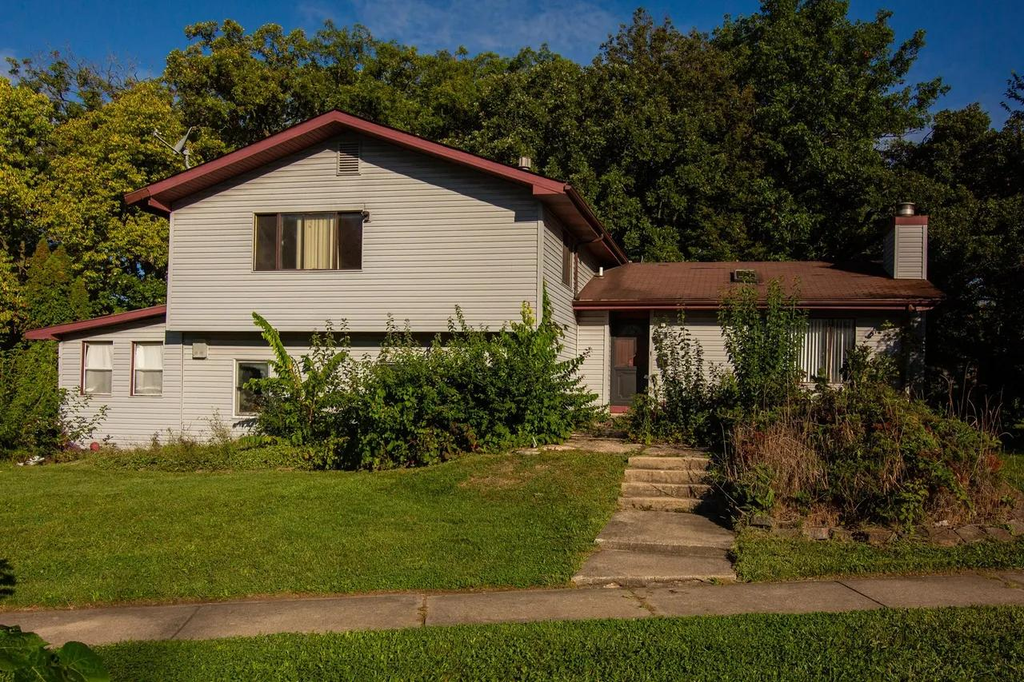
How to Buy an Inherited Property: What Investors Should Evaluate First
Inherited properties can sometimes present opportunities for real estate investors. A home may need updating, the family may be considering whether to keep or sell it, or the property may no longer fit the needs of the people who inherited it.
But buying an inherited property is not the same as buying an ordinary resale home. Ownership, probate, title, multiple heirs, personal belongings, property condition, and family decisions can all affect the transaction.
For investors in Northern Illinois, the most important first step is to understand the property’s legal and financial situation before deciding whether to make an offer.
Why an Inherited Property May Become Available
People inherit real estate in many different circumstances. Some inherit a home they intend to occupy. Others may prefer to sell because they live elsewhere, do not want the responsibility of maintaining the property, or need to divide an estate among beneficiaries.
Some inherited homes have been well maintained. Others may have older mechanical systems, deferred maintenance, outdated finishes, or years of accumulated belongings.
Do not assume an inherited property is distressed or that the family wants a quick sale. Every estate and family situation is different. Approach the opportunity professionally, allow the decision-makers time to consider their options, and focus on whether a sale is actually being considered.
1. Confirm Who Has Authority to Sell
This is one of the most important steps in evaluating an inherited property.
The person living in the home, paying the utilities, or handling the belongings may not be the person legally authorized to sell it. Depending on how the property was owned and how it passed to the new owner, the sale may involve an individual owner, multiple co-owners, a trust, an estate, or a court-supervised probate process.
In Illinois, the appropriate process depends on the property’s title, estate documents, and circumstances. A personal representative or executor may need specific authority to complete a sale. Other situations may not require the same probate process.
Before proceeding, have a qualified real estate attorney or title professional determine:
- How title is currently held.
- Who has legal authority to sign the contract and convey the property.
- Whether probate or court approval is required.
- Whether all necessary owners or authorized representatives have agreed to the transaction.
- Whether any restrictions, liens, or competing claims could affect the sale.
Do not rely solely on a verbal statement that someone is “handling the estate.” Confirm the legal authority to sell.
2. Understand Whether Multiple Heirs Are Involved
When more than one person inherits an interest in a property, everyone may not have the same goals. One beneficiary may want to sell, another may want to keep the home, and another may be undecided.
These differences can affect the timing, negotiations, and likelihood of a completed transaction.
As an investor, you should avoid becoming involved in family disputes or pressuring people to reach a decision. Communicate with the legally authorized party or parties, respect the family’s process, and allow the appropriate professionals to address disagreements.
If multiple signatures or approvals are required, confirm that before spending substantial money on inspections, appraisals, or other due diligence.
3. Evaluate the Property’s Actual Condition
An inherited home may have been occupied for decades, or it may have been vacant for an extended period. Its appearance alone may not reveal the full extent of needed repairs.
Evaluate the property systematically. Depending on access and the circumstances, this may include:
- Roof condition and signs of water intrusion.
- Foundation, drainage, and grading.
- Electrical, plumbing, heating, and cooling systems.
- Windows, doors, insulation, and exterior maintenance.
- Kitchen and bathroom condition.
- Evidence of pests, mold, or other moisture-related issues.
- Sewer, septic, well, or other systems where applicable.
- Possible lead-based paint, asbestos, or other environmental concerns in older properties.
- Permit history and work that may have been completed without required approvals.
Arrange professional inspections and specialist evaluations when appropriate. Do not assume the seller knows the history of every repair or system.
4. Calculate the Cost of Clearing and Preparing the Property
Inherited properties sometimes contain furniture, household items, documents, tools, or personal belongings. Before estimating cleanout costs, clarify what the owner intends to keep, remove, donate, or leave behind.
Do not dispose of personal property without clear authorization. Items may have sentimental, financial, or legal significance, and the person you meet at the home may not have authority to approve their removal.
Your budget may need to account for:
- Labor and disposal costs.
- Donations or specialty removal.
- Cleaning and odor treatment.
- Repairs discovered after the home is cleared.
- Lawn care, snow removal, utilities, and security.
- Additional time before renovation or resale can begin.
Obtain written estimates when possible. A cleanout that appears simple can become expensive when the property contains heavy items, hazardous materials, or large volumes of belongings.
5. Investigate Title, Liens, Taxes, and Other Obligations
Before closing, the title and legal status of the property must be properly reviewed.
Potential issues may include unpaid property taxes, mortgages, judgments, liens, recorded easements, ownership discrepancies, or other matters affecting title. Some issues can be resolved through closing; others may require additional time, legal work, or a change in the transaction structure.
Ask a title company and real estate attorney to identify what needs to be resolved before the property can be conveyed.
Do not assume that inheriting a property automatically eliminates existing obligations or that an apparent lack of mortgage payments means the property is free of liens.
6. Determine Your Maximum Purchase Price
A property is not a good investment simply because the seller inherited it or because the purchase price seems low.
Start with a conservative estimate of the property’s value after the intended work is complete. Then subtract the expenses required to purchase, renovate, hold, and sell or operate the property.
For a renovation and resale, account for:
- Purchase price.
- Closing and financing costs.
- Renovation and cleanout costs.
- Property taxes, insurance, utilities, and maintenance during ownership.
- Selling costs.
- Contingency funds for unexpected work.
- A realistic allowance for delays and changes in market conditions.
For a rental, estimate achievable market rent, vacancy, repairs, capital expenditures, management, taxes, insurance, and other operating expenses.
Use local comparable sales and rental evidence rather than relying solely on online estimates or optimistic projections. Your maximum offer should reflect the actual risks of this specific property.
7. Make a Respectful, Clear Offer
When the owner is ready to consider a sale, explain the terms of your proposal clearly. The offer should specify the price, earnest money, financing or proof-of-funds requirements, inspection provisions, closing timeline, and other relevant terms.
Avoid making promises about an unusually fast closing unless your financing, title process, and transaction team can support it. An estate-related sale may require documents or approvals that take time.
A fair, well-explained offer can be more useful than an aggressive offer that leaves the seller confused about the terms or the steps required to close.
8. Build the Right Professional Team
Inherited-property transactions may benefit from coordination among a real estate attorney, title company, real estate professional, lender, inspector, contractor, accountant, and estate representative.
Not every property requires every professional, but legal authority, title questions, estate procedures, and tax consequences should not be guessed at.
Investors should also understand that inherited property may have tax considerations, including possible basis questions. The applicable treatment depends on the circumstances, and a qualified tax professional should review the details.
The Bottom Line
Inherited properties can be worth evaluating, but the best opportunities are not necessarily the homes with the most visible repairs or the lowest asking prices. A successful acquisition begins with confirming authority to sell, understanding the condition and title, estimating all costs, and treating the people involved with professionalism.
Northern Illinois investors who combine careful due diligence with realistic financial analysis are better positioned to decide which properties fit their goals—and which ones are best left alone.
Looking for potential properties that fit your investment strategy?
Northern Illinois Investor Connection helps connect investors with potential opportunities based on their preferred locations, property types, price ranges, and investment goals. Joining is free.
Disclaimer: This article is for educational purposes only and is not legal, tax, financial, or investment advice. Probate, inheritance, title, and tax issues depend on the specific facts and applicable law. Investors should consult a qualified Illinois real estate attorney, title professional, and tax adviser before entering into an inherited-property transaction. No property availability or investment return is guaranteed.