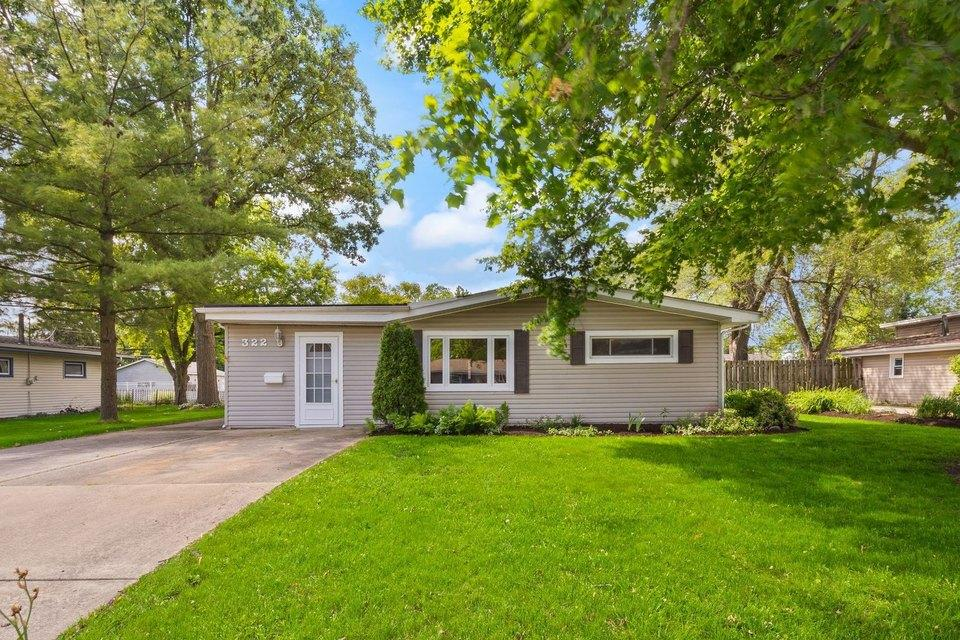
What to Look for When Buying a Rental Property in the Chicago Suburbs
Buying a rental property in the Chicago suburbs can be a way to build long-term real estate holdings, generate rental income, and potentially benefit from property appreciation. But not every property that looks attractive on the outside will perform well as an investment.
The purchase price, achievable rent, property taxes, insurance, maintenance, tenant demand, municipal requirements, and future resale potential all influence whether a rental property makes financial sense.
For investors considering the southwest suburbs, northwest suburbs, greater Chicagoland, or other Illinois markets, the best approach is to evaluate the property as a business—not simply as a house you like.
1. Start With the Rental Market
Before choosing a property, research the rental market in the specific community and neighborhood you are considering.
Two homes with similar purchase prices can have different rental prospects because of their locations, layouts, condition, school attendance boundaries, transportation access, and nearby amenities. Rental demand can also vary by property type and price range.
Research comparable rentals that are similar in size, condition, features, and location. Where possible, compare actual leased rents or other reliable market evidence rather than relying exclusively on asking rents.
Consider:
- The number of comparable properties competing for tenants.
- Typical time on market for similar rentals.
- The condition and features tenants expect at your price point.
- Access to transportation, shopping, employment centers, and other amenities.
- Whether demand appears consistent throughout the year.
- Whether the property appeals to the type of tenant you intend to serve.
Do not assume a property’s potential rent based only on the rent you hope to receive. Use evidence and leave room for vacancies or changes in market conditions.
2. Calculate Property Taxes Carefully
Property taxes are an important part of rental-property ownership in Illinois. They can have a substantial effect on monthly expenses and investment returns.
Before making an offer, review the property’s current tax bill and understand that the amount may change. Assessment changes, exemptions, reassessments, local taxing districts, and other factors can affect future obligations.
Do not assume that the seller’s tax bill will necessarily be your long-term tax expense. Investigate the property’s tax history and consult appropriate county or local resources when necessary.
Include property taxes in your operating budget using a conservative estimate. If a deal only works when taxes remain unusually low, it may not provide enough financial protection.
3. Estimate Insurance and Operating Expenses
Rental income is not the same as profit. A property may generate attractive gross rent but produce limited cash flow once operating expenses are included.
Request insurance estimates before committing to a purchase. Coverage and premiums can depend on the property’s age, condition, location, claims history, construction, and intended rental use.
Your operating budget should account for expenses such as:
- Property taxes.
- Landlord insurance.
- Repairs and routine maintenance.
- Capital expenditures, including roofs, heating and cooling systems, and other major components.
- Vacancy and tenant turnover.
- Property management, if applicable.
- Utilities paid by the owner.
- Landscaping, snow removal, and other exterior maintenance.
- Association fees, where applicable.
- Accounting, legal, licensing, and compliance expenses.
Some expenses occur irregularly rather than monthly, but they still need to be included in your long-term analysis. A roof may last for years before requiring replacement, yet the future cost should be reflected in your investment plan.
4. Inspect the Property Thoroughly
A property can appear well maintained while concealing expensive problems. An inspection helps you understand the condition of major systems and identify issues that require further investigation.
Pay particular attention to:
- Roof age, condition, and evidence of leaks.
- Foundation movement and drainage.
- Basement moisture or water intrusion.
- Plumbing and sewer condition.
- Electrical systems.
- Heating and cooling equipment.
- Windows, insulation, and energy efficiency.
- Exterior siding, masonry, and grading.
- Appliances and interior finishes.
- Signs of pests or moisture-related damage.
Older homes may also warrant further investigation into materials or systems that require specialized evaluation.
Obtain a professional inspection and additional specialist evaluations when needed. Use written contractor estimates for substantial repairs rather than relying on rough guesses.
If the property is part of a homeowners association or condominium association, review the governing documents, fees, financial condition, rental restrictions, and any applicable special assessments.
5. Understand Local Rental Rules
Rental requirements can differ from one municipality to another. Before purchasing, verify the rules that apply to the specific property.
Depending on the community and property type, requirements may include rental registration, inspections, licensing, occupancy standards, building codes, and other local obligations.
Also review applicable state and federal landlord-tenant requirements. These may address security deposits, required disclosures, habitability, fair housing, notices, and the legal process for addressing lease violations or ending a tenancy.
If you are considering a condominium, townhome, or property within an association, confirm whether rentals are permitted and whether limits apply to rental duration, tenant screening, or the number of units that may be rented.
Never assume that because a home is currently being rented, the same arrangement will automatically be permitted under your ownership.
6. Evaluate the Property’s Cash Flow
Cash flow is the money left after rental income is used to pay operating expenses and debt obligations.
Consider a hypothetical rental property with the following monthly figures:
| Item | Monthly estimate |
|---|---|
| Gross rent | $2,400 |
| Property taxes | $500 |
| Insurance | $150 |
| Maintenance and capital reserve | $200 |
| Vacancy allowance | $120 |
| Property management | $192 |
| Other operating expenses | $88 |
| Estimated operating expenses | $1,250 |
| Estimated net operating income | $1,150 |
In this illustration, the property generates approximately $1,150 per month in net operating income before mortgage payments and income taxes. The numbers are hypothetical and are not representative of any specific Chicago suburb or property.
If monthly mortgage principal and interest were $850, the estimated remaining cash flow would be $300 per month before income taxes and any additional expenses not included above.
Actual financing costs, repairs, vacancy, and operating expenses may be materially different. The example demonstrates why investors should analyze the complete budget rather than comparing rent with the mortgage payment alone.
7. Compare Cash Flow With Other Investment Measures
Cash flow is important, but it is not the only measure of an investment’s performance.
Investors may also examine:
- Net operating income (NOI): Rental income after operating expenses, before debt service and income taxes.
- Capitalization rate (cap rate): NOI divided by the property’s purchase price or other specified value.
- Cash-on-cash return: Annual pre-tax cash flow divided by the cash invested, based on a clearly defined calculation.
- Total return: A broader assessment that may consider cash flow, principal reduction, appreciation, and other factors.
Different calculations answer different questions. A property with a higher cap rate is not necessarily a better purchase if it carries greater repair risk, weaker tenant demand, or more uncertainty.
Evaluate the measures together and use consistent assumptions when comparing properties.
8. Consider Tenant Demand and Long-Term Resale Potential
Think about who is likely to rent the property and why it would meet their needs.
A home with functional living space, reliable mechanical systems, practical storage, and a convenient location may appeal to a broader group of renters than a property with expensive features that do not support achievable rent.
Also consider the eventual resale market. Even if you intend to hold the property for many years, circumstances may change and you may eventually want to sell.
Evaluate neighborhood trends, comparable sales, property condition, and the types of buyers who may be interested in the property in the future. Appreciation is never guaranteed, so avoid relying on rapid price increases to make an otherwise weak deal appear attractive.
9. Plan for Property Management
Decide whether you will manage the rental yourself or hire a professional property manager.
Self-management may reduce management fees, but it requires time for tenant communication, maintenance coordination, rent collection, recordkeeping, inspections where legally permitted, and compliance.
Professional management may help with day-to-day operations, but fees and service levels vary. Review the management agreement carefully and understand which expenses are included.
Whichever approach you choose, prepare a plan for emergency repairs, tenant turnover, maintenance requests, and periods when the property does not generate rent.
10. Stress-Test Your Numbers Before Making an Offer
Do not evaluate a rental property only under ideal conditions. Consider what happens if rent is lower than expected, the property is vacant for longer than planned, insurance costs rise, or an expensive repair occurs early in ownership.
Ask yourself:
- Can I afford the property during a vacancy?
- Do I have adequate reserves for unexpected repairs?
- Does the investment still make sense if operating expenses increase?
- Am I comfortable with the financing and repayment obligations?
- Is the property legally suitable for my intended rental strategy?
- Do I have a realistic long-term plan if the market changes?
If the deal depends on every assumption going perfectly, it may carry more risk than you are prepared to accept.
Find a Rental Property That Fits Your Strategy
A successful rental acquisition begins with research, realistic financial projections, thorough due diligence, and an understanding of local requirements.
The Chicago suburbs are not one uniform rental market. Each community and property has its own combination of prices, taxes, rental demand, regulations, and operating costs.
Take the time to evaluate the numbers carefully and compare multiple opportunities before deciding where to invest.
Looking for potential rental properties in Northern Illinois?
Northern Illinois Investor Connection helps connect investors with potential property opportunities based on their preferred locations, property types, price ranges, and investment goals. Joining is free. Share your criteria to help guide the search across the southwest suburbs, northwest suburbs, greater Chicagoland, and other Illinois markets when appropriate.
Disclaimer: This article is for educational and informational purposes only and does not constitute legal, tax, financial, or investment advice. Financial figures are hypothetical and do not represent a specific property or market. Rental income, expenses, appreciation, and investment returns are not guaranteed. Investors should independently verify rents, property taxes, insurance, property condition, title, zoning, and applicable rental requirements. Consult qualified real estate, legal, tax, insurance, and financial professionals before making investment decisions.